

Biostimulants and Nutrient Use Efficiency: A Strategic Tool for Food Security in a Changing World
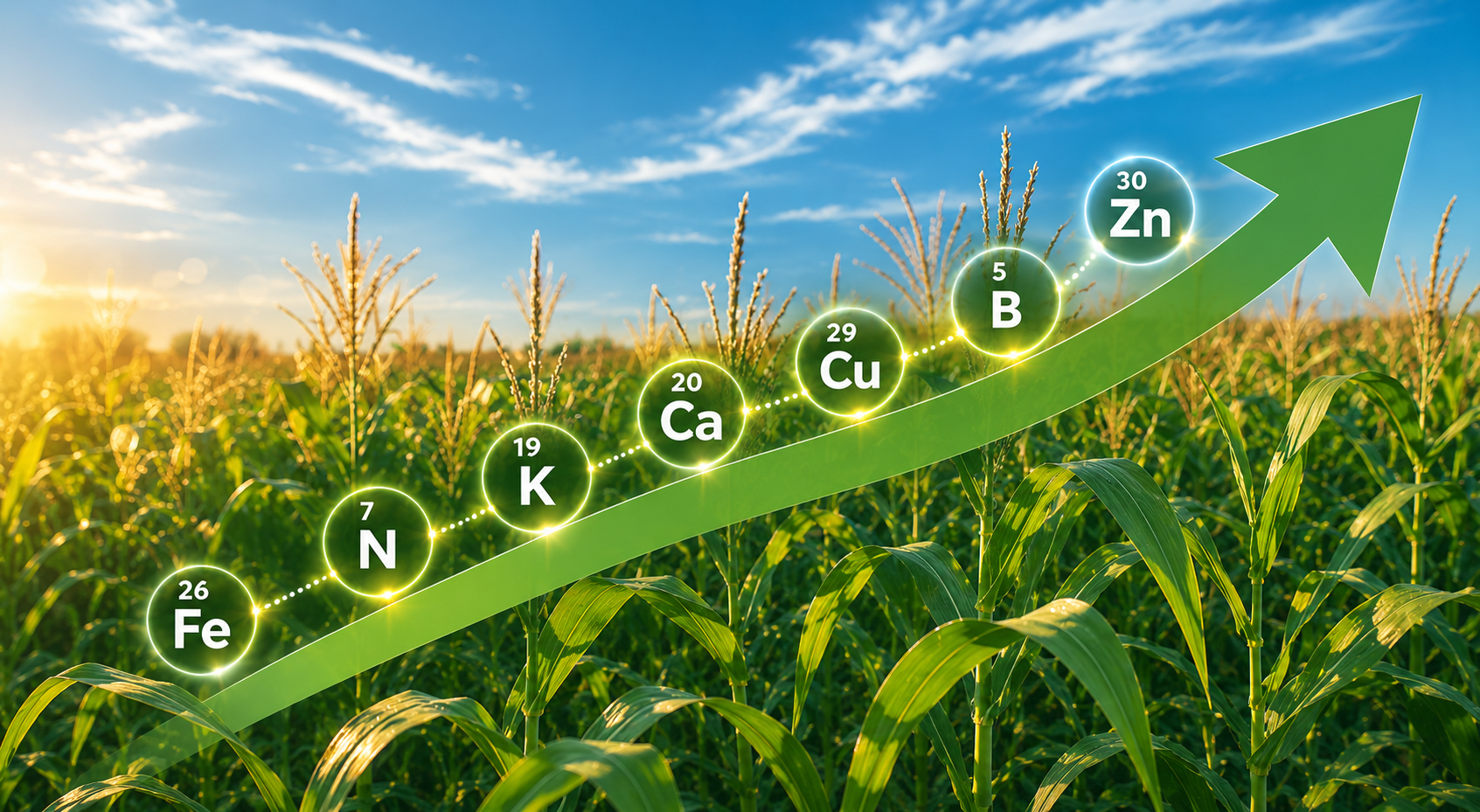
Agriculture is facing a new reality. Fertilizer prices remain highly volatile, supply chains are increasingly vulnerable to geopolitical tensions, and many regions of the world are concerned about securing sufficient agricultural inputs to maintain crop productivity.
Nitrogen, phosphorus, and potassium fertilizers are essential for global food production, yet their availability and affordability are influenced by factors far beyond the farm gate. Energy costs play a major role in fertilizer manufacturing, particularly for nitrogen fertilizers, while global trade routes and geopolitical instability can disrupt the supply of key nutrients. Recent concerns regarding international shipping corridors have highlighted the fragility of global fertilizer supply chains.
As a result, farmers across Europe, Africa, Asia, North and South America are increasingly looking for solutions that allow them to produce more with fewer inputs while maintaining profitability and crop performance.
One of the most promising solutions is the use of agricultural biostimulants.
What Is Nutrient Use Efficiency?
Nutrient Use Efficiency (NUE) refers to a plant’s ability to acquire, absorb, transport, assimilate, and utilize nutrients effectively to produce yield and quality.
In simple terms, NUE measures how efficiently a crop converts applied nutrients into harvestable production.
A low NUE means that a significant proportion of applied fertilizers is lost through leaching, volatilization, fixation in the soil, or other inefficiencies. A high NUE means that a greater percentage of the nutrients applied are actually used by the plant.
Improving NUE is beneficial for several reasons:
- Reduced fertilizer requirements
- Lower production costs
- Improved farm profitability
- Reduced nutrient losses to the environment
- Enhanced sustainability
- Greater resilience to supply shortages
- Increased food security
How Biostimulants Improve Nutrient Use Efficiency
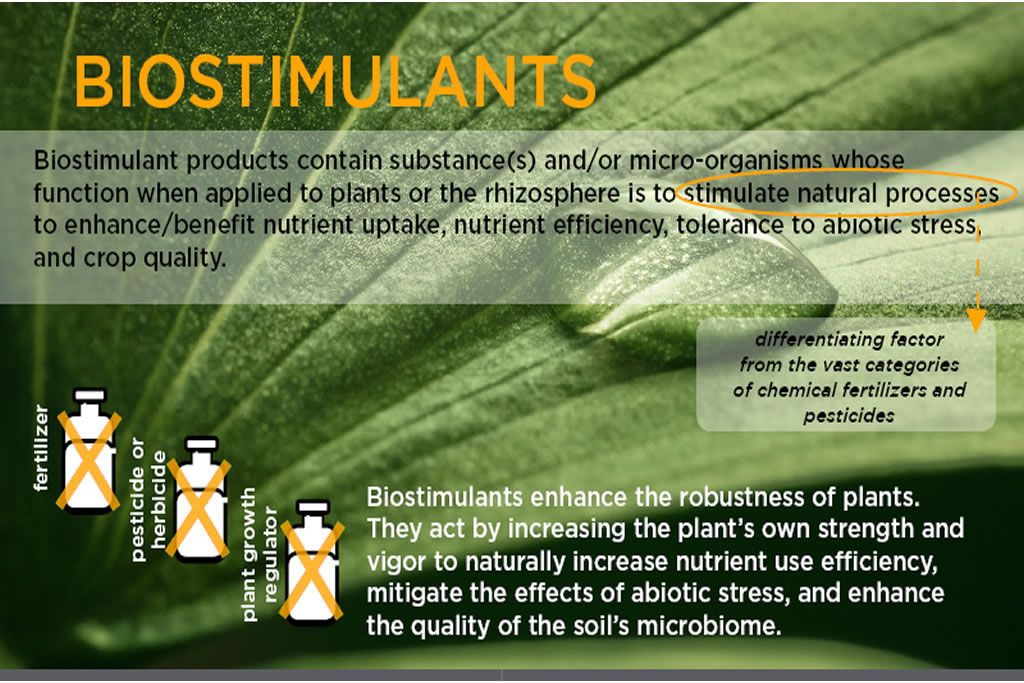
Biostimulants do not replace fertilizers. Instead, they help plants make better use of available nutrients. Depending on their composition and mode of action, biostimulants can enhance several biological and physiological processes that contribute directly to NUE.
- Improved Root Development
Many biostimulants stimulate root growth, increasing root length, density, and surface area. A larger and more active root system enables plants to explore a greater volume of soil and access nutrients that would otherwise remain unavailable. Better roots mean better nutrient uptake efficiency.
- Enhanced Nutrient Uptake
Biostimulants can improve the activity of nutrient transport systems within plant roots, facilitating the absorption of essential macro- and micronutrients. This allows crops to capture a larger proportion of the nutrients present in the soil solution.
- Increased Nutrient Assimilation
Absorbing nutrients is only part of the process. Plants must also convert those nutrients into proteins, enzymes, chlorophyll, and other essential compounds. Many biostimulants stimulate metabolic pathways involved in nutrient assimilation, allowing plants to utilize absorbed nutrients more effectively.
- Improved Soil Biological Activity
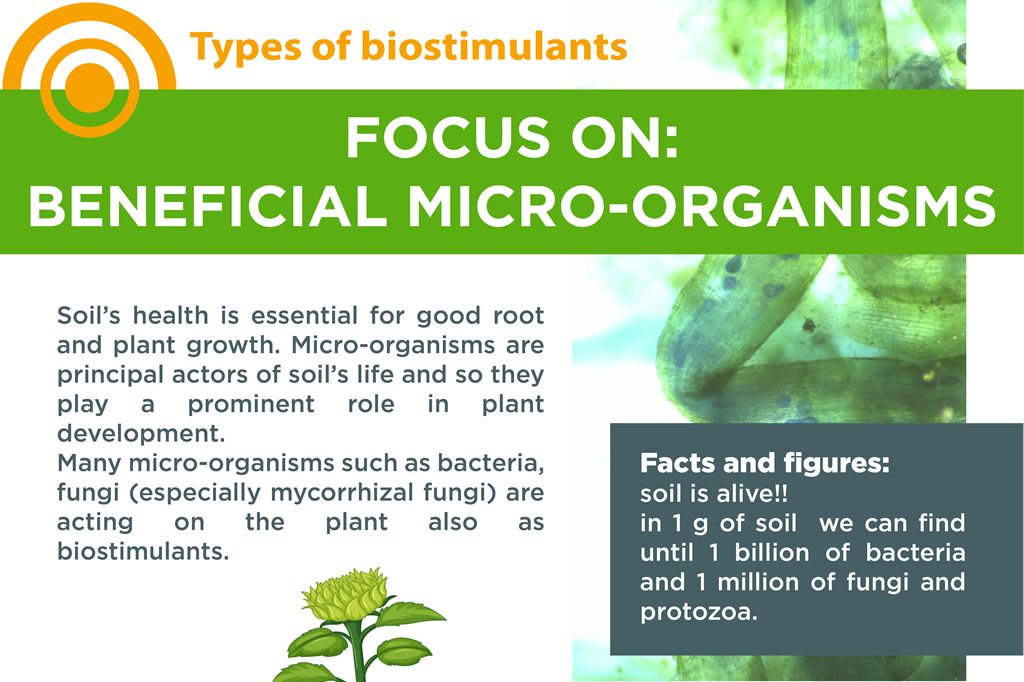
Certain microbial and organic biostimulants enhance soil microbial communities.
These beneficial microorganisms can increase nutrient mineralization, mobilize phosphorus, improve nutrient cycling, and support nutrient availability throughout the growing season. Healthy soils are more efficient soils.
- Greater Tolerance to Abiotic Stress
Drought, heat, salinity, and other environmental stresses often reduce nutrient uptake and utilization. Biostimulants help plants maintain physiological activity under stress conditions, allowing nutrient acquisition and assimilation processes to continue even when growing conditions become challenging. This is increasingly important as climate variability intensifies worldwide.
The Strategic Value of Biostimulants in Today’s Geopolitical Environment
The current geopolitical landscape has transformed nutrient efficiency from an agronomic objective into a strategic necessity. When fertilizer prices rise or supplies become constrained, every kilogram of nutrient becomes more valuable. Biostimulants provide a practical means of maximizing the return on fertilizer investments. Their benefits extend beyond individual farms and contribute to broader societal goals.
Supporting Food Security
By helping crops maintain productivity with optimized fertilizer inputs, biostimulants contribute directly to stable agricultural production. This is particularly important in regions where access to fertilizers is uncertain or economically challenging.
Reducing Dependence on Imported Inputs
Many countries rely heavily on imported fertilizers and raw materials. Improving nutrient efficiency reduces vulnerability to international market disruptions and strengthens agricultural resilience.
Improving Farm Economics
Higher fertilizer efficiency means farmers can obtain greater value from each unit of nutrient applied. This helps protect margins during periods of elevated input costs.
Enhancing Environmental Sustainability
Improved NUE reduces nutrient losses to water and air, contributing to environmental protection while maintaining crop productivity. This aligns with global sustainability objectives and evolving agricultural policies.
Increasing Resilience to Supply Chain Disruptions
Agricultural systems that require fewer inputs to achieve comparable production are inherently more resilient to market shocks, transportation disruptions, and geopolitical uncertainty.
Looking Ahead
The future of agriculture will depend not only on the availability of fertilizers but also on how efficiently those fertilizers are used.
Biostimulants offer a scientifically supported and increasingly recognized solution to improve nutrient use efficiency, helping farmers optimize fertilizer inputs, maintain crop productivity, and strengthen resilience in an uncertain world.
As geopolitical tensions, supply chain vulnerabilities, energy costs, and climate pressures continue to shape global agriculture, biostimulants are becoming more than a productivity tool. They are emerging as a strategic component of sustainable food production and food security.
In a world where every nutrient counts, improving nutrient use efficiency is no longer optional, it is essential. Biostimulants can play a central role in making that transition possible.







© BIOSTIMULANT.COM
ALL RIGHTS RESERVED