

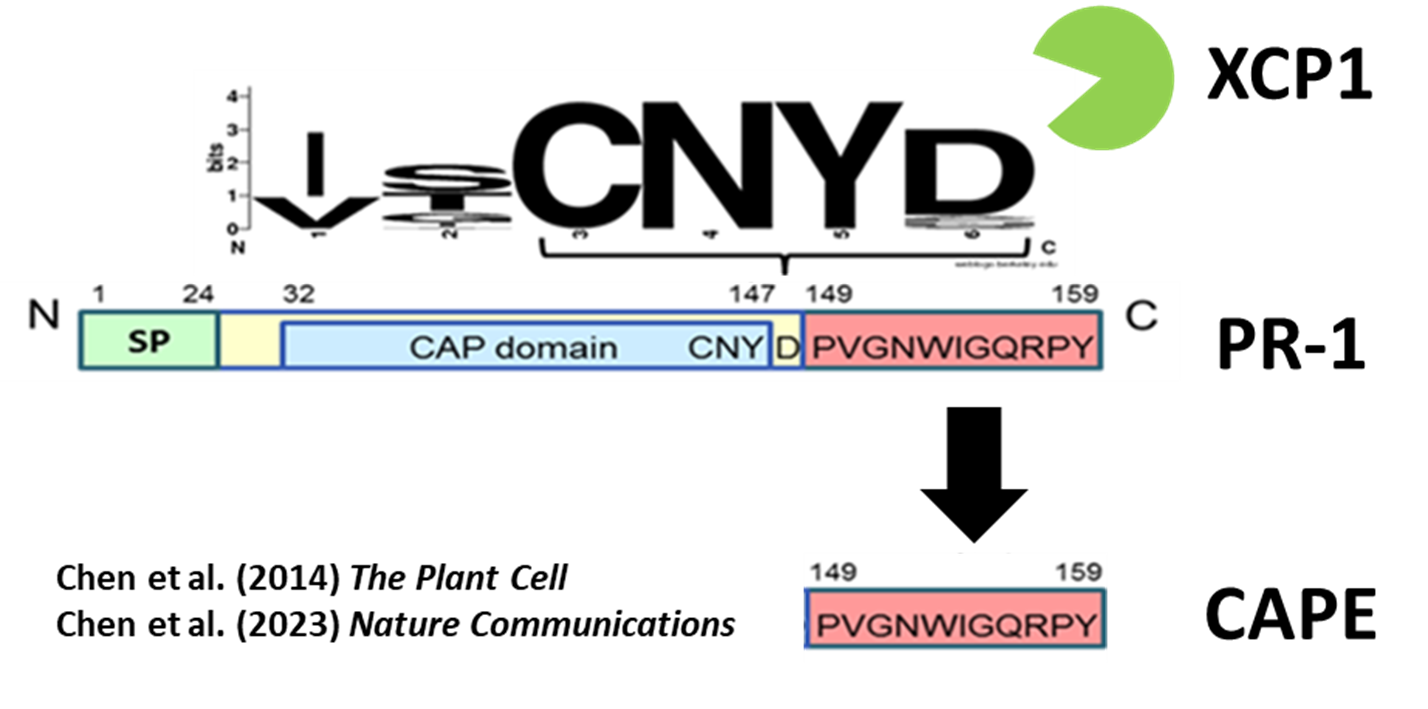
From a biostimulant perspective, long-distance mobile peptide priming offers a major advantage over conventional immune elicitors. Rather than enforcing continuous defense gene expression, CAPE operates as a low-dose systemic signal that sensitizes distal tissues to future stress. This primed state enhances immune readiness while avoiding the metabolic costs and signaling saturation associated with sustained defense activation.
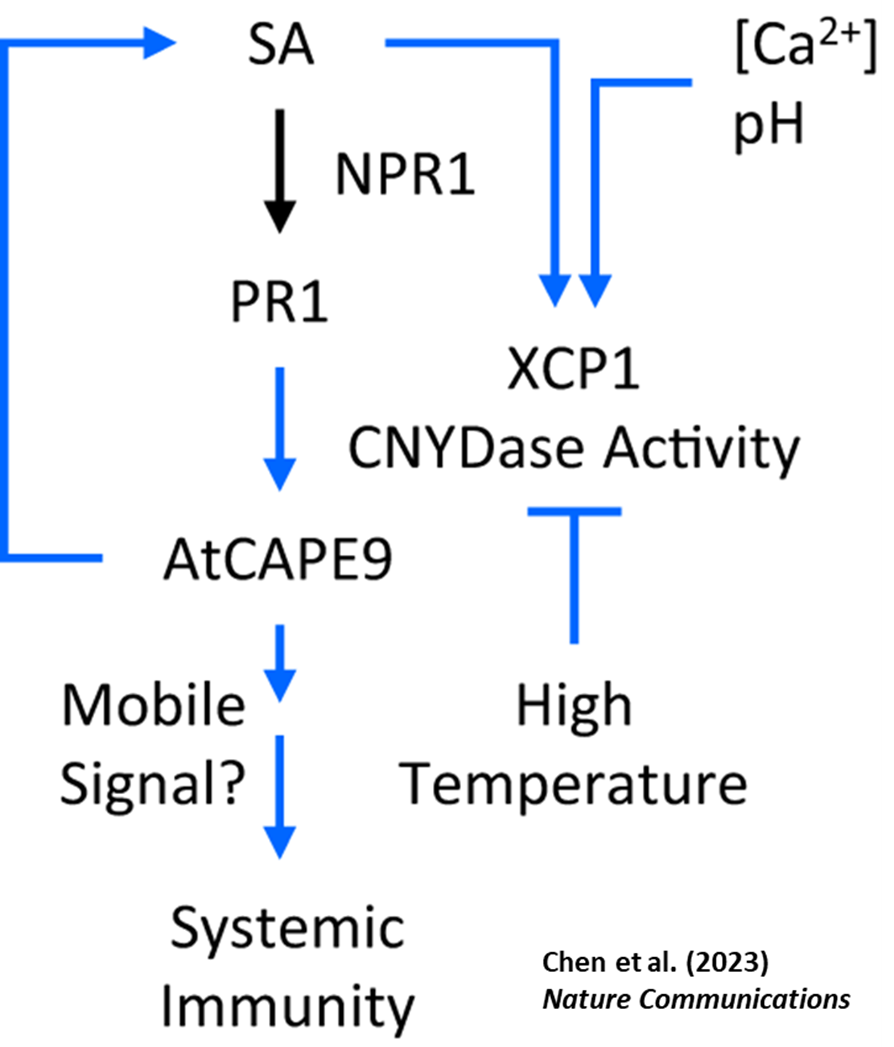
CAPE-mediated signaling decouples immune competence from constitutive immune output. The pathway reinforces systemic defense through positive feedback with SA, yet does not induce extensive cell death or irreversible activation of defense programs. This regulatory architecture allows plants to mount effective systemic immunity through temporal and spatial control of signaling intensity rather than persistent transcriptional reprogramming. Together, these findings position long-distance peptide priming as a mechanistically distinct class of biostimulant action—one that enhances resilience by reinforcing endogenous immune signaling networks rather than overriding them. By exploiting conserved peptide-protease modules such as CAPE-XCP1, peptide-based biostimulants can provide durable immune protection while maintaining physiological homeostasis, offering a scalable strategy for sustainable crop protection.


©2020 BIOSTIMULANT.COM
ALL RIGHTS RESERVED